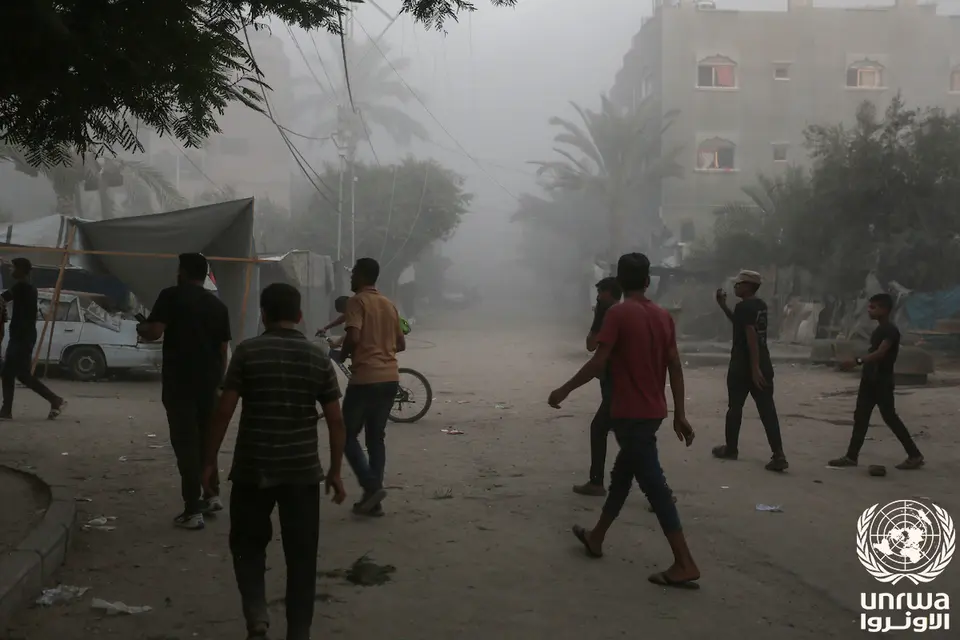
Source · CC BY-SA 3.0 IGO · Resized, full frame retained. Historical context, not current conditions.
BEYOND THE BATTLEFIELD
Understand what
war leaves behind.
Warfare ecology examines how military activity changes land, water and living systems—before, during and after conflict. Explore the consequences, and the evidence behind them.
Start here: Follow the Water ↗THE QUESTIONS WORTH ASKING
Where do you want to start?
Explore a place.
Find a place. Examine the reported weapons and environmental evidence.
Open the atlas ↗ENVIRONMENTAL PATHWAYSUnderstand an impact.
Trace how damage can travel—and what evidence is needed to establish it.
Begin the investigation ↗FIELDWORK & MODELSSee our research.
Explore Iwo Jima, Gaza, and the assumptions behind the LEAD model.
Explore the research ↗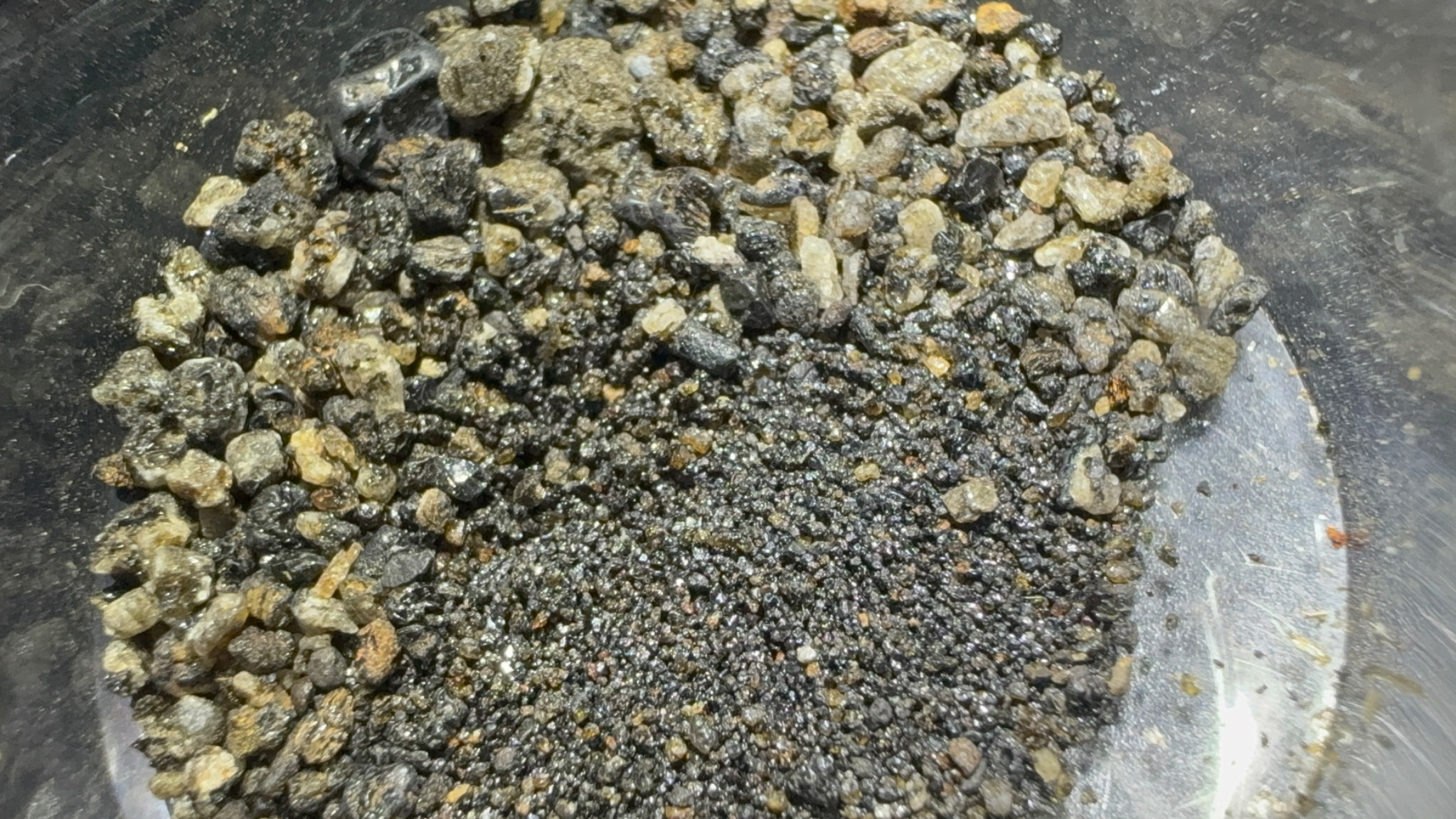
- Fine, dark grains. A visible texture; no grain-size measurement is implied.
- Larger, pale fragments. A contrast in appearance, not a mineral identification.
- Mixed material. A photograph cannot establish metal concentrations or distinguish wartime material from natural geology.
FEATURED RESEARCH / IWO JIMA
What can this sand
actually tell us?
The three supplied averaged Iwo Jima datasets report lead at 5–304 mg/kg. These XRF results describe the analyzed material; they do not establish whether its lead came from warfare or natural geology. Explore the records and their limitations.
Examine the findings and sample history ↗CONTRIBUTE / ENVIRONMENTAL EVIDENCE
See a problem. Help document it.
Know of environmental harm that may be linked to warfare? Share what happened, the general location, and the sources behind it.
Report environmental harm →Prepare a draft, review it, then send it by email. Reports are unverified submissions and are not published automatically.
NEW VISUAL INVESTIGATION / UKRAINE
When the water left.
Compare real satellite images of Kakhovka. Follow the lost water connections, then examine what new growth tells us about recovery.
Explore before & after →